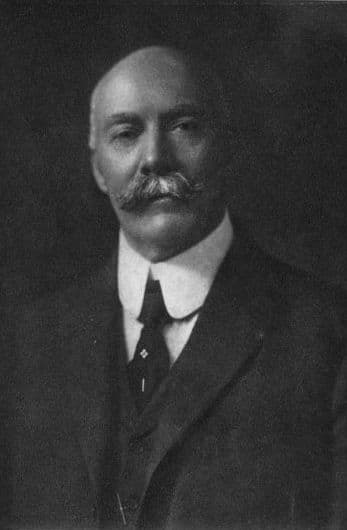
The story of the man who started it all — and what modern coaches can learn from his journey.
Before Tony Robbins, before Brené Brown, before every modern self-help guru—there was Orison Swett Marden.
And his story is so improbable that if you pitched it as fiction, editors would reject it as unrealistic.
The Origin Story
Marden was orphaned at seven. Farmed out to relatives who treated him like free labor. He worked on farms, in restaurants, as a hotel bellboy—basically every job a poor kid in 1850s New Hampshire could get.
At 19, he read Samuel Smiles' Self-Help by candlelight in a hotel attic where he was working. That book changed everything.
He decided to educate himself. He worked his way through Boston University, then graduated from Harvard with both a law degree and a medical degree. At 35, he owned a chain of hotels and was wildly successful.
Then it all burned down. Literally.
The 1893 financial panic wiped him out. He lost everything. At 47 years old, he was starting over from scratch.
The Birth of SUCCESS
Instead of returning to business, Marden did something crazy: he decided to write the book he wished he'd had as a poor orphan kid.
In 1894, he published Pushing to the Front—a collection of success stories and principles. It sold half a million copies, which in 1890s publishing was astronomical.
Three years later, he launched SUCCESS Magazine with a radical premise: success isn't about birth or luck or circumstances. It's about principles anyone can learn.
This was revolutionary. The Gilded Age was defined by robber barons and inherited wealth. Marden was saying ordinary people could achieve extraordinary things.
The Principles Marden Taught
1. You Become What You Think About
Marden wrote: "The beginning of a habit is like an invisible thread, but every time we repeat the act we strengthen the strand, add to it another filament, until it becomes a great cable and binds us irrevocably."
2. Character Over Reputation
"Character is the real foundation of all worthwhile success." In an era where image was everything, Marden insisted that internal integrity mattered more than external perception.
3. Adversity Is the University
Marden's own bankruptcy taught him this: "There is no medicine like hope, no incentive so great, and no tonic so powerful as expectation of something better tomorrow."
What Modern Coaches Can Learn
Lesson 1: Your mess is your message.
Marden didn't write SUCCESS from a penthouse—he wrote it from bankruptcy. His credibility came from living the principles, not just teaching them.
If you've survived something, transformed something, overcome something—that's your coaching niche.
Lesson 2: Principles beat tactics.
Marden never taught "get rich quick" schemes. He taught mindset, character, persistence. Those principles worked in 1897 and they work now because human psychology is constant. Discover [what 129 years of SUCCESS Magazine teaches about achievement](/blog/what-129-years-success-magazine-teaches-achievement) and how these enduring ideas still shape coaching today.
Don't chase coaching trends. Master timeless truths.
Lesson 3: Success is defined by impact, not income.
When Marden died in 1924, SUCCESS Magazine had reached millions. His books had sold millions more. But his real legacy? He democratized the idea that anyone could succeed.
The best coaches aren't the richest ones. They're the ones who change the most lives.
Orison Swett Marden lost everything at 47 and built a legacy that's lasted 129 years. His vision lives on through the [SUCCESS coaching certification program](https://coaching.success.com), which carries forward his belief that anyone can achieve lasting transformation. What's your excuse?
Ready to Go Deeper?
Become a SUCCESS Certified Coach™
Apply the principles in this article with a full certification program built on 129 years of SUCCESS legacy.
View Program Details